
Holding onto nothing, grateful for everything
Written by Maria Chow, CraftHER Scholar 2026
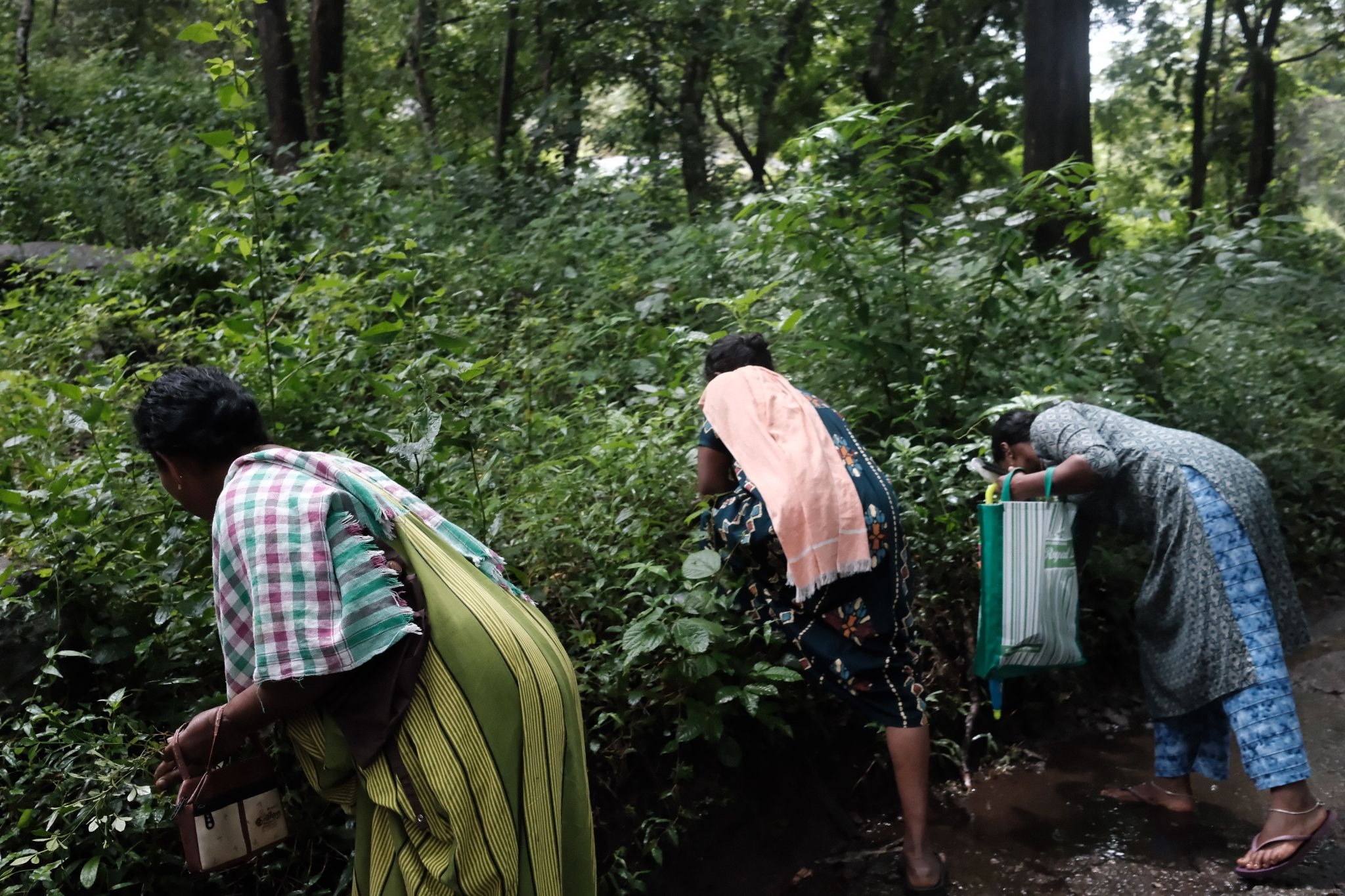
“Death is easily accepted in the Indigenous communities, almost in a stoic manner”. Manju, the founder of Forest Post, explained to me. Having heard this for the first time I was taken aback as it contradicted the compassionate, loving women I had met from the indigenous tribes. Something didn’t fit, so maybe it was a case of ‘lost in translation’. How could all these stories of sister and brotherhood coexist with this statement, which could have been interpreted as an unsympathetic quality in the indigenous people?
Yet, when combined with the other stories I had heard, I was able to see a more holistic, 3-dimensional picture that was actually more consistent and provided explanations for other practices that seemed at first completely irrational to me from my most western perspective.
In the unlikely business focussed discussion about jam making, I learnt of this unfamiliar philosophy of stewardship.
Manju recalled the time when she and the women planned a new jam product using a rare plant. Yet as they went searching for this fruit, one of the women spotted it germinating in some elephant poo.This far from appealing imagery told of a very important fact for the women. The elephants liked the same fruit. With this fact, Manju and the women decided to step back and ask themselves “do we really need this fruit?”.
In the end, they made the decision to leave the fruit to the elephants. There was no immediate benefit from this decision. Just pure, generous and sacrificial awareness for another living creature. Now, how is this related to an apparently apathetic view of death? ‘Stewardship’ was an alternative word that drifted into mind whilst absorbing all the complex stories.
The corporate definition claims it is the practice of “protecting stakeholder interests and building long-term economic value”, and strangely enough, the local people’s practice integrates this stewardship philosophy.
Protecting stakeholder interests is the protection of the elephant’s interests.
True long-term economic value is taking care of the forest so it takes care of you back, instead of viewing resources as something to be extractive for personal consumption.
Concerning oneself with the welfare of the forest feeds directly into the welfare of the village and the people in it.
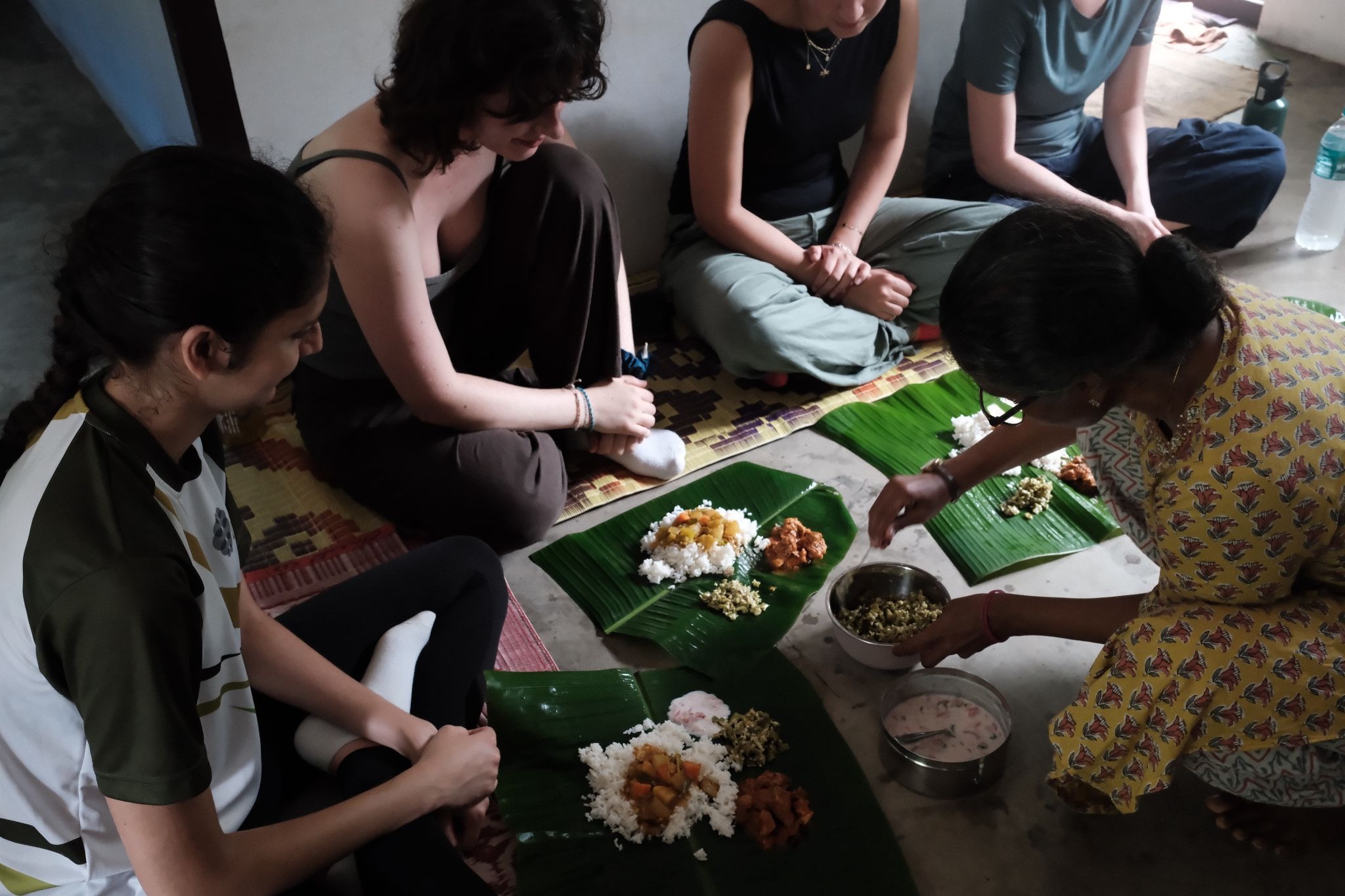
Having this view of stewardship reminded me of principles of circular economy, yet one that seems more personal… and so much richer.
Whilst giving up something that initially seems to be a shortcoming, ultimately, through a complex cycle of symbiotism, striving for a healthier system, rather than component, alleviates all the components in the system.
And so perhaps in the light of systems thinking, we are able to emphasise the view that death isn’t the end. Like trees that die, they equally nourish the surrounding ecosystem.
Acknowledging that we are part of a greater circle of life releases the permanence of death, and sacrifice, something I personally hope to incorporate as I inevitably encounter setbacks.
Stewardship recognises that we don’t have exclusive ownership right to natural resources but it is shared with other living creatures as equals rather than competitors, or something to extract resources from. They share the space of the rainforest together. This is why they have been able to live in harmony with elephants and tigers for such a long time.
Here in Kerala, the indigenous people don’t create for permanence, as they recognize that life, like resources, is a gift. From the tools they build to the unfamiliar acceptance of the birds picking at their millet harvest, the local people hold a strong view of resources as a privilege, rather than an entitlement.
As I go back home to the UK, every time I see the rain pour down, or hear the birds chirp in the morning, I am reminded of the women I met. Correction: the friends that taught me how to accept and freely give.