

Written by Lorelai Lancksweert, CraftHER Scholar 2026
Some stories refuse to leave you. Some stick around much longer than memory would permit because of the meaning drawn like juice from the turn of a few words.
This one told by a lady of the Anapantham community is one such story.
A peaceful walk in the forest accompanied by her husband led them to fall across a pair of tigers bathing in the waters. She described her fear and overriding desire to run but how her husband’s calm and assured demeanour kept her rooted to his side. As they continued their approach, one of the great cats, resting moments before, raised itself the instant it noticed them. She explained how her husband spoke into that still void between cat and human, letting the tiger know that they were not here to disturb them and were simply passing through. After what must have felt like an eternity, the cat lay down and they continued on their way.
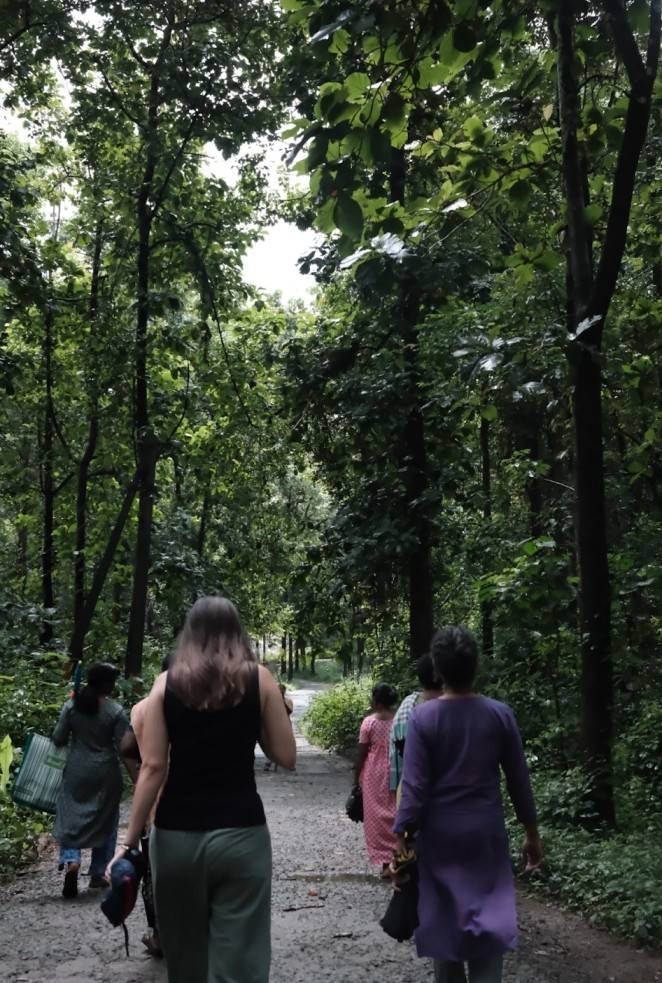
Whether the tiger had learnt human language, read their body signs or simply decided that they posed no threat is impossible to know. But this is not why the story has stuck with me. I carry the story with me as a reminder of a truth often forgotten: nature does not ask or need for our control or dominance, simply our respect. Harmony with the roots that birthed us, the forests that feed us and the wildlife that lives alongside us is not built on power but on the acknowledgment that we are visitors in a world that was never ours alone. When we respect nature, acting with humility not entitlement, we take a step towards living in peace with the world around us, too often described as dangerous and unworthy of the respect it is due. Living in harmony with nature isn’t about speaking to the forest. It’s about learning to listen to it. A skill and way of life that I have discovered this week in talking with the women of various indigenous communities as well as those that support those communities and their ways.
A way of life built on living with the forest, not against it. Of fulfilling needs from what nature has given, not what man has taken. And conserving ancestral craft and knowledge. Forest Post sustains these incredible communities by providing skills and a means of income that promote the sale of craft and produce directly from the forest, allowing the communities to remain in their ancestral domains, continuing the craft passed down for generations, in a modern world that values greed over peace.
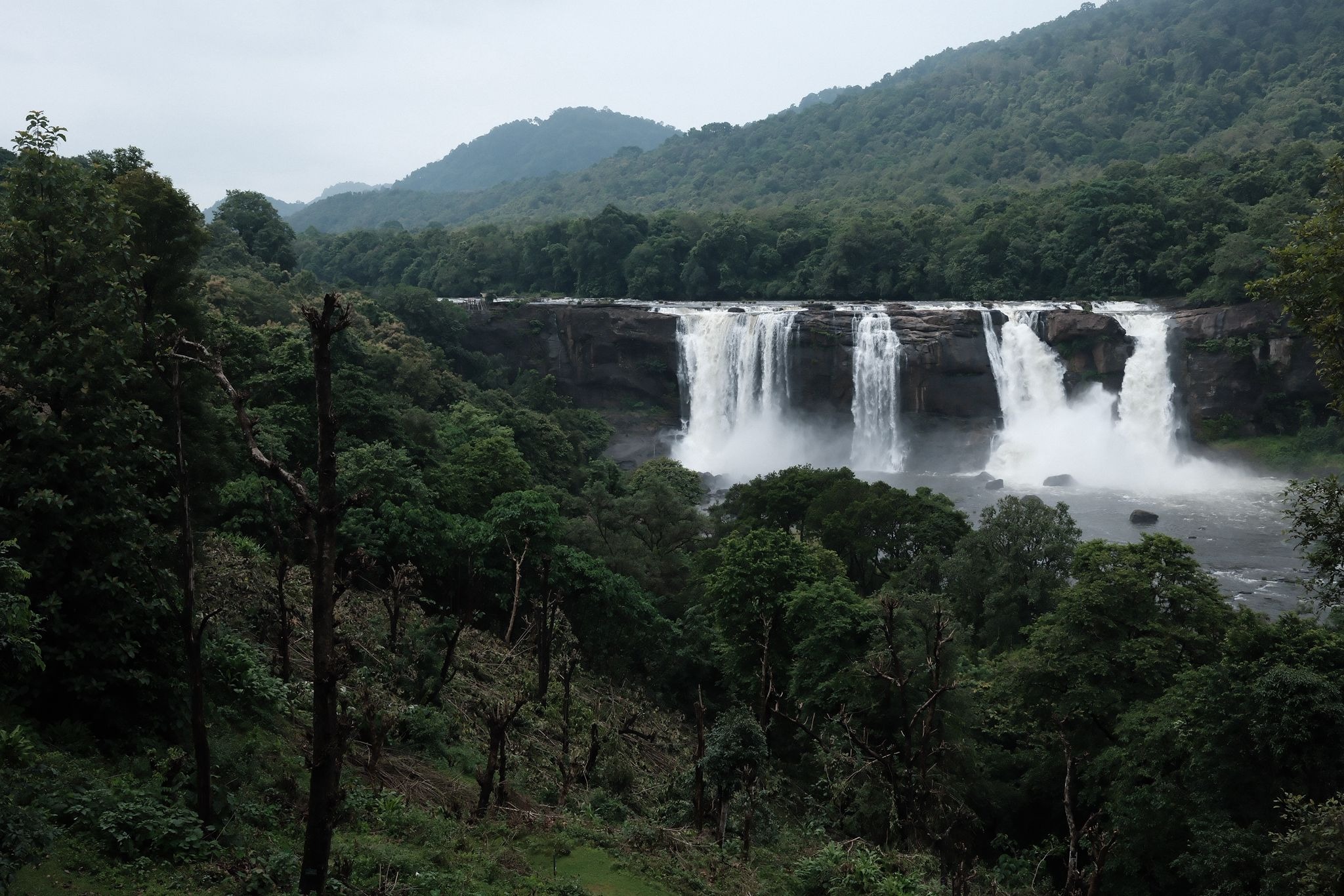
These communities have shown me much more in this week than I had seen in a lifetime. The ‘modern’ ‘advanced’ world I grew up in calls itself so because the cities are bigger, the medication stronger and the limits ever higher but advancement without wisdom is merely acceleration. Perhaps true advancement comes from learning to live in harmony with the world instead of trying to escape the ship we are setting on fire ourselves. In these communities enough is actually enough, once the need has been fulfilled there is no reason to want more, the forest is not a resource to drain but a friend to look after, and wealth is counted by the family and friends around you not the hoarding of stuff. From what I have seen and understood this week is that many of them have achieved something most will spend their whole life chasing: happiness. The life is hard, the road not always kind but the people are genuine and the purpose is clear: a life in harmony and peace with nature. Forest Post is a champion of these communities and its existence has greatly improved the conservation of craft and forest, as well as supporting the local economy and giving back to the places and people from whence it came. A true pillar of the safeguarding of our natural world and all those who dwell from and with it.